

Mastering Pest Control: Your Comprehensive Guide to Pre- and Post-Treatment Safety and Effectiveness
When it comes to our unique pest control, the actions you take both before and after treatment can have a significant effect on how successful the treatment will be. Whether you are facing an invasion of ants in your kitchen, dealing with rodents that have made their way into your attic, or confronting termites that pose a threat to the structural integrity of your home, understanding how to properly prepare for pest treatment and knowing what steps to take afterward is essential. This blog post aims to provide you with a thorough overview of the vital steps necessary to ensure a successful pest control experience.
The Importance of Preparation
Preparation is absolutely critical when it comes to our pest control. Taking the time to properly ready your space can not only enhance the effectiveness of the treatment but also play a key role in keeping your family members and pets safe during the process. Here are some important preparation steps that you should consider before your pest control treatment:
1.1 Clear Out Infested Areas
Begin by identifying the specific areas where pests are most active within your home. Once you have pinpointed these locations, take the necessary steps to remove any items that could obstruct the treatment process. This includes thoroughly cleaning up any food debris, sealing all food items in airtight containers to prevent contamination, and moving furniture or other obstacles to provide clear access for the pest control technicians who will be performing the treatment.
1.2 Ensure Safe Conditions
If you have pets or small children in your home, it is crucial to make arrangements for them to be out of the house during the treatment process. Many pest control treatments involve the use of chemicals that can be harmful or irritating to sensitive individuals, including pets. Establishing a safe environment for everyone involved is of utmost importance to ensure their well-being throughout the treatment.
1.3 Communicate with our Pest Control Provider
Maintaining an open dialogue with our pest control service is essential. Take the time to discuss the types of treatments they will be using, what you can expect during the process, and any specific questions or concerns you may have regarding preparation. Clear communication helps to set expectations and ensures that everyone is on the same page, leading to a smoother treatment experience.
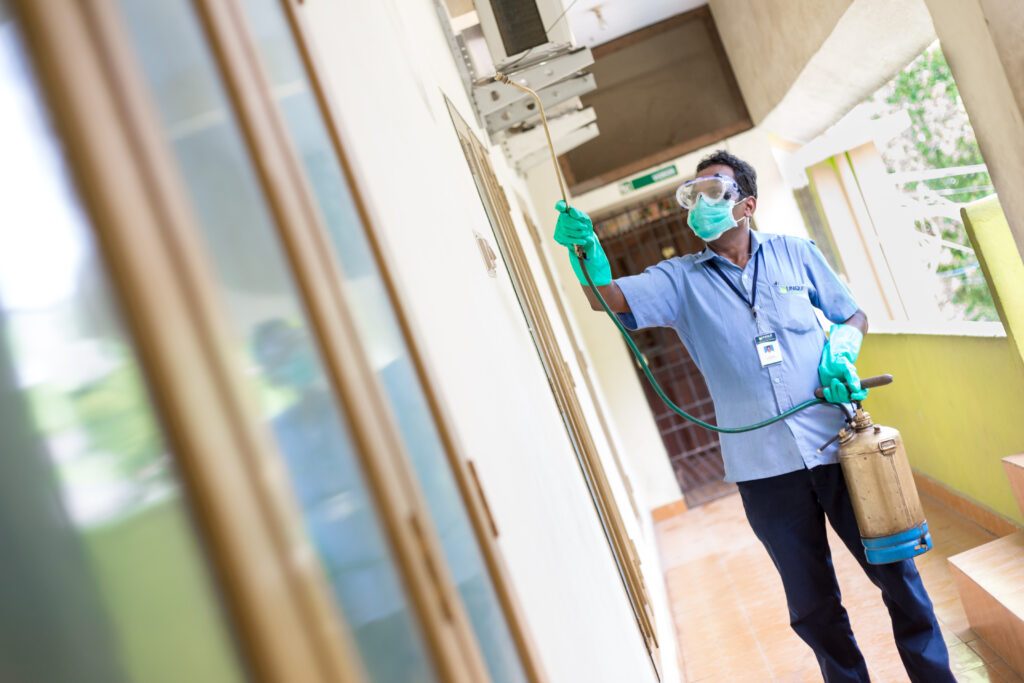
During the Treatment
While our pest control team is actively working in your home, it’s essential to follow their guidance closely to ensure the most effective outcome possible. Adhering to their instructions will help maximize the results of the treatment.
2.1 Keep a Safe Distance
It is important to stay out of the treated areas as instructed by your pest control technician. They may require a specific period for the treatment to set in and be effective, so it’s vital to avoid any unnecessary contact with those areas during this time. This not only protects your health but also allows the treatment to work as intended.
2.2 Avoid Chemical Exposure
To minimize exposure to any chemicals used during the treatment, make sure that all windows are closed and that doors remain shut at all times. This will help to contain the chemicals within the treated areas and prevent them from spreading throughout your home. If recommended, using air purifiers can also help mask any unpleasant odors associated with pest control treatments, further improving the indoor air quality during and after the process.

Post-Treatment Actions for Success
Once our pest control treatment is complete, it’s time to shift your focus to the follow-up actions that can further enhance the effectiveness of the treatment and ensure long-term success in managing pest issues.
3.1 Wait Before Cleaning
After the treatment has been completed, it is essential to refrain from cleaning surfaces in the treated areas for at least the duration specified by our pest control provider. This waiting period allows the treatment to work effectively without any residue being disturbed or removed prematurely, ensuring that the pest control measures take full effect.
3.2 Monitor for Activity
Post-treatment monitoring is a critical component of pest control success. Keep a vigilant eye out for any signs of returning pests, such as droppings, nests, or other indicators of activity. If you notice any signs of reoccurrence, it is important to promptly report these findings to your pest control provider, as they may include follow-up treatments as part of their service to address any ongoing issues.
3.3 Reinforce Preventative Measures
To maintain a pest-free environment in your home, it is crucial to implement preventative measures after treatment. This includes sealing any cracks or gaps in walls and foundations, checking window screens for holes or tears, and continuing with regular cleaning routines to eliminate potential food sources for pests. Not only does this help in decluttering your space, but it also significantly minimizes the chance of future infestations, creating a more comfortable living environment.
A Safe and Effective Path to our Pest Control
Successfully managing our pest control treatment involves taking conscientious actions both before and after the procedure. By dedicating the time to prepare adequately and conducting thorough follow-ups, you can ensure the safety of your environment while achieving long-lasting results. Remember, the goal is not merely to eliminate pests but to maintain a clean, comfortable, and safe home for you and your loved ones. With the right knowledge and proactive measures, you can master the art of pest control, transforming your home into a fortress against unwanted guests and ensuring peace of mind for your family.
